The causes of facial volume loss are varied and can include normal aging, sun damage, smoking, and certain medical conditions or medications. As people age, the facial muscles weaken, causing the skin to sag and lose fullness. Sun exposure can damage collagen and elastin in the skin, resulting in wrinkles and a loss of volume. Smoking can also contribute to premature aging, resulting in skin thinning and a hollow look.
Dehydration and weight loss can also contribute to volume loss in the face. When the body does not get enough water, the skin can become dry and dull, making it more prone to wrinkles and sagging.Weight loss can also result in a loss of fat in the face, leading to a hollow appearance.
The good news is that there are a variety of treatments available to help restore facial volume. These include fillers such as Juvederm, Voluma, and Restylane, which help to plump and fill out the skin. Other treatments include laser treatments, microneedling, and fat grafting. These treatments can help to reduce wrinkles, restore lost volume, and improve skin texture and tone.
The loss of volume in the face is a common problem as people age, and can also be caused by other conditions and treatments. It is characterized by a decrease in the fat and tissues that provide structure and support to the face, resulting in a hollow, sunken appearance. Common areas of concern include the cheeks, temples, jawline, and lips, though any area of the face can experience loss of volume.
The causes of facial volume loss are varied and can include normal aging, sun damage, smoking, and certain medical conditions or medications. As people age, the facial muscles weaken, causing the skin to sag and lose fullness. Sun exposure can damage collagen and elastin in the skin, resulting in wrinkles and a loss of volume. Smoking can also contribute to premature aging, resulting in skin thinning and a hollow look. Dehydration and weight loss can also contribute to volume loss in the face. When the body does not get enough water, the skin can become dry and dull, making it more prone to wrinkles and sagging. Weight loss can also resulting a loss off at in the face, leading to a hollow appearance.
Plastic surgery can be an effective way to restore volume to the face and improve one’s appearance. There are a variety of plastic surgery treatments available to help restore facial volume. These include fillers such as Juvederm, Voluma, and Restylane, which help to plump and fill out the skin. Other treatments include laser treatments, microneedling, and fat grafting. These treatments can help to reduce wrinkles, restore lost volume, and improve skin texture and tone.
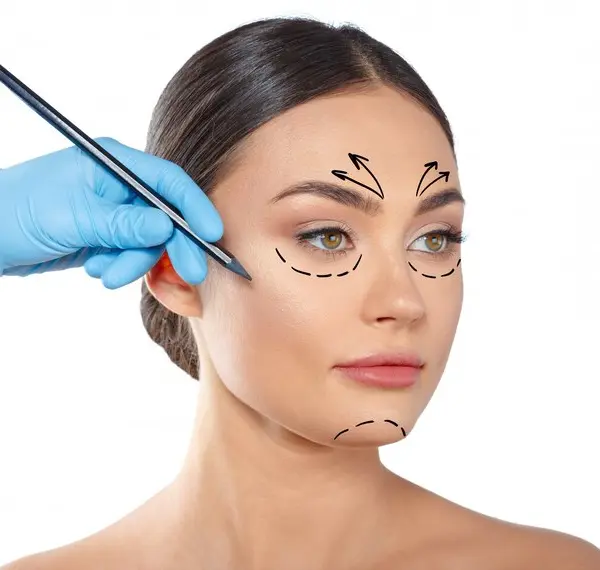
In addition to fillers and laser treatments, plastic surgery may also be used to address volume loss in the face. Facelift surgery is the most common procedure used to address facial volume loss. During a facelift surgery in Dubai, the surgeon will reposition and tighten the underlying facial muscles, as well as remove excess skin to reduce sagging. This can help to restore a more youthful, fuller appearance. In some cases, fat grafting may also be used to fill in sunken areas of the face.
When considering plastic surgery for facial volume loss, it is important to find a qualified and experienced surgeon. A consultation with the surgeon is essential to determine the best treatment plan for each individual’s needs. During the consultation, the surgeon will discuss the patient’s goals and expectations, as well as any risks or complications that may occur.
In conclusion, loss of volume in the face is a common problem as people age, and can be caused by a variety of conditions and treatments. Plastic surgery in Dubai can be an effective way to restore volume to the face and improve one’s appearance. Fillers, laser treatments, and facelift surgery are some of the treatments available to help restore facial volume. It is important to consult with a qualified and experienced surgeon to determine the best treatment plan for each individual’s needs.